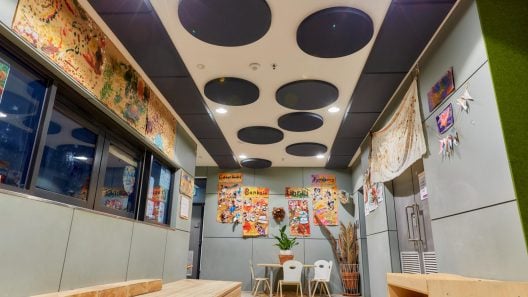
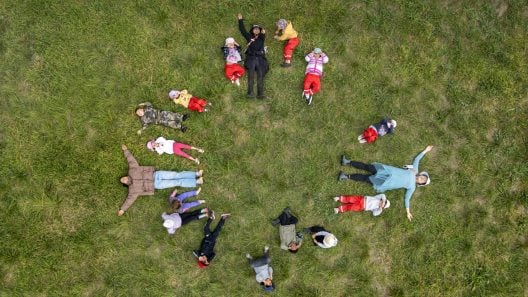
At our recent staff conference, Early Years Leaders Cerri and Faye shared thoughtful and practical insights from their work with children aged under three at The Harbour, encouraging educators to rethink what art experiences can look like in early childhood settings. Using examples from their daily practice, they explored how process art can support children’s communication, identity, wellbeing and learning in meaningful ways.
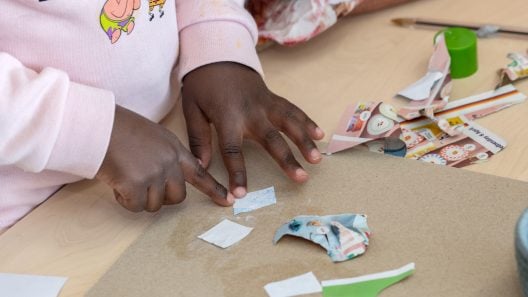
Rather than focusing on children producing a finished product to display, Cerri and Faye described process art as child-led, exploratory and open-ended. They encouraged educators to shift their thinking away from adult expectations and instead focus on what children are discovering through the experience itself. Their presentation highlighted the difference between process art and product-based art, explaining that process art allows “many ways of doing” while product art often centres on one correct outcome directed by adults.
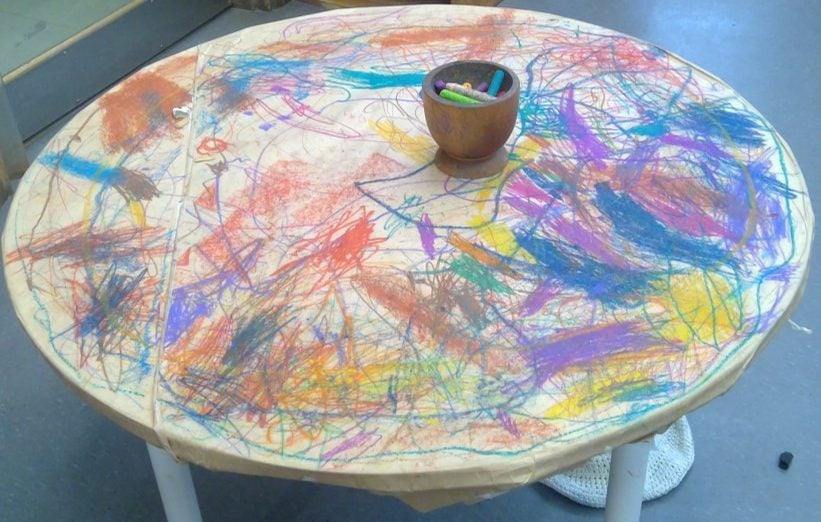
Throughout their session, Cerri and Faye presented their ideas in practical examples which reflect the realities of working with very young children day to day. One example involved children drawing while music played in the background. Cerri noted that “as the tempo changed, children adjusted their movements and mark making, with some moving quickly across the paper, others slowing down or tapping the pastels like drumsticks to match the beat”. Getting the participants involved, they demonstrated how process art can support coordination, movement, communication and sensory exploration all at once.
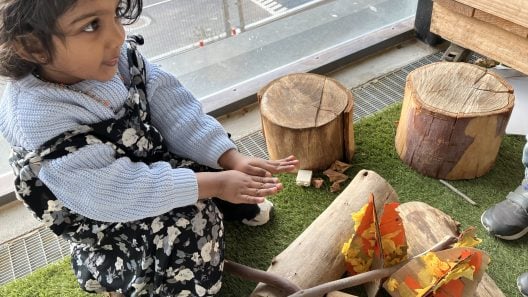
Cerri and Faye emphasised the importance of our role as educators. They explored the idea that process art does not mean educators simply “set up and step back”. Instead, educators become active observers and intentional decision-makers. We were reminded about carefully planning environments, considering room logistics and reflecting on when educator involvement might support or interrupt children’s thinking.
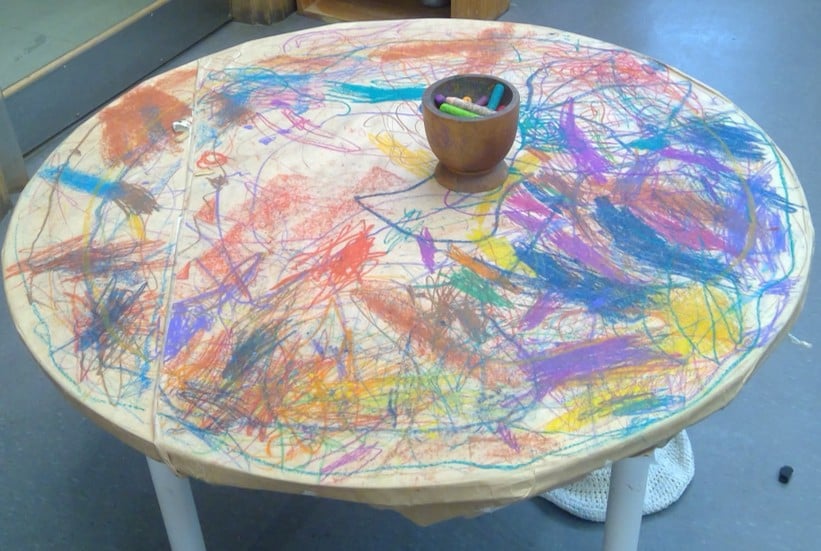
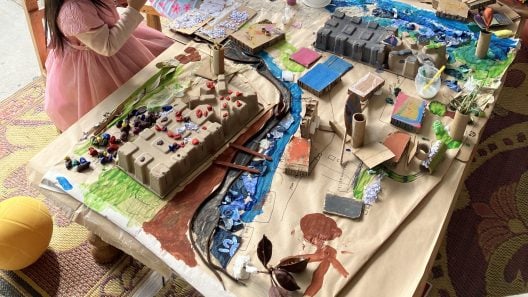
Another takeaway was the value of sustained experiences. Rather than packing them away after one day or week, Cerri and Faye encouraged educators to leave experiences available across days and weeks so children could revisit them when ready. Cerri noted that one experience has been in their learning space for more than a year—with educators only changing the paper when needed. Faye explained that “children often communicate when an experience is complete simply by using it less, allowing educators to respond naturally by refreshing or extending the space”. This approach supports continuity of learning and respects children’s ownership over the process as they become mark-makers.
Accessibility and flexibility within the environment were also central themes. The presenters shared examples of collaborative drawing spaces positioned at different heights and angles, allowing children to explore vertically, horizontally and even underneath surfaces. These experiences supported different muscle groups, movement patterns and opportunities for language development. Cerri and Faye highlighted how thoughtfully designed environments can invite participation from children with different learning styles and abilities while naturally encouraging collaboration and communication.
Importantly, Cerri and Faye reminded educators that younger children are “natural process artists”. Their marks, movements and sensory exploration are meaningful forms of communication that deserve to be observed with curiosity and respect. Rather than dismissing children’s work as “scribbles”, they encouraged us to think more deeply about the learning, experimentation and thinking behind the marks children create.
We valued the opportunity to gain insights from our own skilled pedagogues. Cerri and Faye’s presentation offered us reminders on how working with children under the age of three should still be intentionally crafted, play-based, and focused on skill-building rather than results.