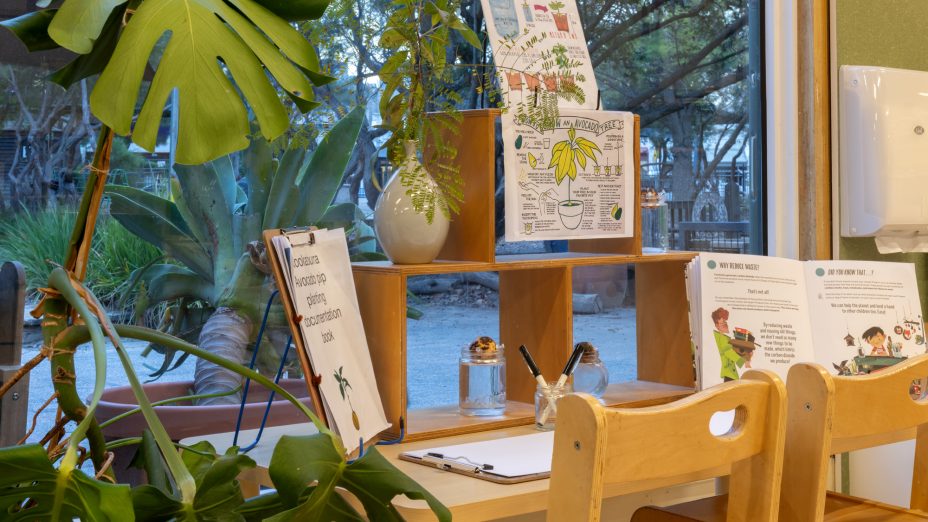
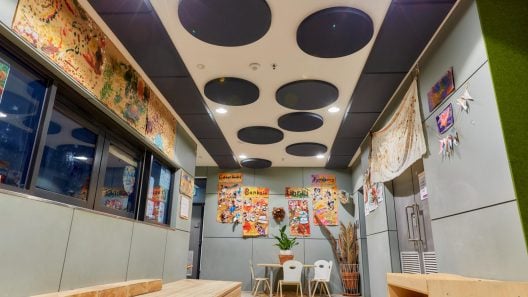
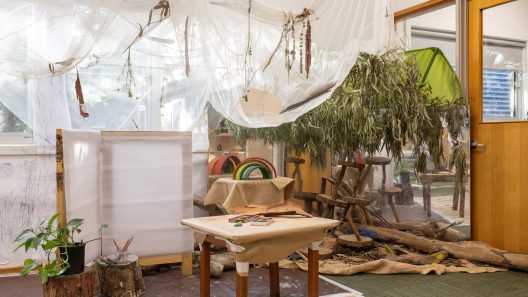
In early childhood settings, environments should always be intentional, not just in the way we plan, but in the way they are created from day one. Each material, each purchasing decision and every furniture layout should communicate our values. In each of our services at Gowrie, we curate environments which reflect our philosophy based on the principles of curiosity, authenticity, collaboration and learning. This means that our decision-making around sourcing resources must be grounded in ethics and sustainability.
We have recently opened three brand new sessional kindergartens where we could shape the environments based on these principles. Establishing our new environments prompted us to pause, reflect and ask how we could curate spaces that align with our philosophy. Here are some of the ways we approached this work.
Ethical practice does not start once a resource arrives in the room. It begins with knowing your philosophy and thinking critically about how that philosophy should inform all decisions relating to the new learning space.
For us, we begin with reflecting on four key points:
1. Is this material sustainably sourced?
Discussions around sustainability can often revolve around using recycling bins or having vegetable gardens. For us, sustainability encompasses environmental, social and economic responsibilities.
For example, we avoid blanket rules such as “no plastic”. Instead, we think critically about longevity and impact. For example, if recycled plastic furniture will last safely outdoors for years in all kinds of weather, where metal would rust and become hazardous—then recycled plastic may be the more sustainable option. Prioritising quality over quantity and purchasing materials which are made to last helps us to reduce waste over time.
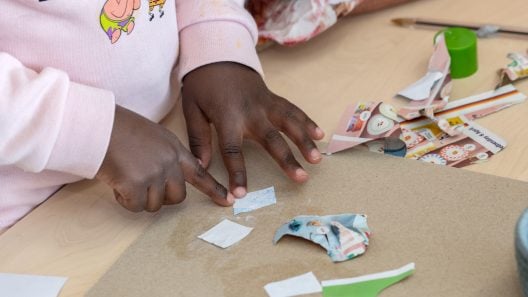
One misconception can be that creating a ethical and sustainable environment requires a large budget. Reflecting on what materials could be needed, and thinking outside-the-box on how these could be sourced can support a smaller budget for materials. We choose to support other organisations such as the Reverse Art Truck and Resource Rescue—organisations who re-sell materials which may otherwise end up in landfill. Op shops are also utilised to find a range of useful materials like tablecloths, lamps for soft lighting, baskets, books, and so on. Local markets can also provide the opportunity to ethically and locally source plants for the garden, artwork or baby clothes to be used for dolls.
2. Where was it made?
Purchasing items and furniture from small businesses based in Australia and New Zealand helps us to work with local makers. This supports ethical, small-scale producers who give more transparency around manufacturing processes. We actively seek out resources which are labelled as Fairtrade and strive to purchase locally to strengthen the sustainability of our local communities.
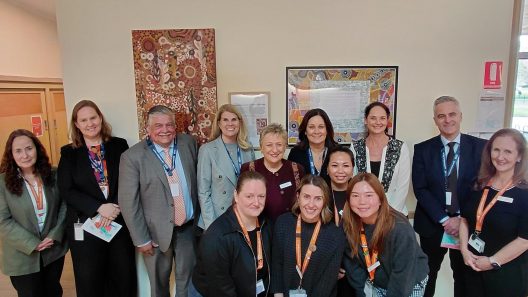
When we source First Nations artwork or culturally significant items, we purchase directly from local artists or markets. This ensures authenticity, respects cultural knowledge and supports community rather than commodifying culture.
3. Does it reflect our values?
Our philosophy at Gowrie is anchored in children’s rights. Children have the right to safe environments, to cultural identity, to play, to express themselves and to participate in decisions that affect them. Our environments must reflect these rights and so we design spaces that promote agency. By providing accessible indoor and outdoor spaces, a range of experiences, and spaces to be alone or with others, children can choose how they engage.
Children’s rights are also upheld through representation. When environments include materials, books and artefacts that reflect the cultures of enrolled families, children see their identities affirmed. The selection of resources is informed by community perspectives—for example, the purchasing of vegan paintbrushes, rather than ones made with hog hair. Respecting cultural practices and community values communicates that all children and families belong.
4. What is the intent behind the resource?
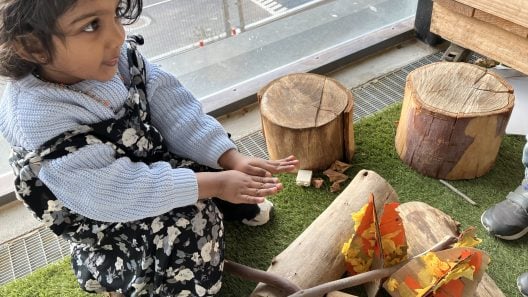
We don’t just point to pictures in a catalogue—we use our knowledge of children and how they learn to inform the purchasing of resources. Each item should earn its place through purpose, durability and alignment with our philosophy. We always opt for open-ended materials such as blocks or Magna Tiles to support children’s sustained thinking. When resources are scarce, play is often interrupted, but when children have enough, they can test theories, revisit ideas and co-construct complex playscapes. This is where deep learning and wow moments can thrive.
We know that no early learning environment is ever finished—they evolve through reflection and observation, with educators who see curating spaces as a professional responsibility. As we welcome families into our three new Gowrie services in 2026, we are proud of these spaces which reflect our philosophy and honours the children and families who will use them.
Reflective questions:
- How does the philosophy of our service relate to the way we purchase and source materials?
- When entering a learning space, is our philosophy visible through the way the space has been curated?
- Who do we currently purchase and source materials from? How much do we know about the ethics of that business?
- How can I make thoughtful purchasing decisions even when budgets are limited?
- How can I ensure sustainability is embedded in daily practice rather than treated as an add-on?
- How can I better align my environment with my service’s philosophy?