Because Maternal and Child Health (MCH) often sits apart from early childhood education and care, many educators may be unfamiliar with the role it can play for families.
Educational Leaders Kim from Clare Court, and Sam from Carlton Learning Precinct (CLP) both recommend that services engage with the resources available through local councils and state health departments. Even a visit to your local MCH service may provide you with more information which you can share with your families around available programs. These include information on safe sleeping, nutrition, toileting, fussy eating and early identification of concerns. MCH teams are an essential resource for communities, and understanding their role will allow educators to make informed referrals and support families effectively.
Examples of partnership in action
Educators frequently consult with MCH nurses to refine curriculum decisions, prepare for sensitive conversations and build confidence in supporting families. This access allows educators to provide clear, consistent messages and ensures that children’s learning and wellbeing remain central.
As early childhood professionals, we are experts in pedagogy, routine, and belonging. But sometimes, a family’s needs fall outside our scope—whether it’s a medical concern, a sleep issue, or a developmental red flag. We often forget, but MCH nurses are supporting families with babies from only a few days old.
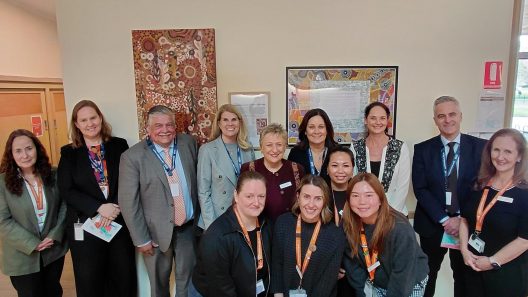
We spoke to Educational Leaders from Sam from Carlton Learning Precinct (CLP) and Kim from Clare Court to find out how they are merging education and health to create a safety net for families.
Why this partnership matters
When educators and nurses talk, the child benefits. Educators bring deep knowledge of the child’s daily learning, behaviour, and emotional needs. MCH Nurses bring clinical expertise, developmental milestones, and health insights. The result is a richer, more accurate picture of the child that allows for earlier intervention.
“Because the nurses are familiar to the team, it means that our educators have the confidence to build their skills… They’ll go to them with questions, concerns, or to seek out support for a specific family,” says Kim.
3 strategies to strengthen the connection
You don’t have to be in the same building to work better together. Here is how CLP and Clare Court build their connections:
- The referral
Some families have attended many MCH appointments before, and will be familiar with the range of supports that the nurses can offer. For other families, including newly arrived families, having an appointment with the MCH can be daunting. Don’t just hand over a phone number. At CLP, educators often walk with families to the MCH office to introduce them personally. This simple act removes the “fear factor” for anxious families and validates the nurse as a trusted professional. If you aren’t located near a MCH clinic, be aware of where it is, and even become familiar with a few of the nurses names. When we refer families to someone by name, this helps to remove some of the anxiety they may be experiencing. - Normalise the check-up
At Clare Court, MCH isn’t treated as a separate entity. Information about routine check-ups is displayed year-round, and educators discuss it during orientation. It frames the MCH nurse as a standard part of the child’s village, not someone to see only when there is a “problem.” This approach removes barriers, with families more willing to seek support when needed. If you’re wanting more information to communicate what will happen at each visit, call your local MCH office. - Gain ongoing contact with the MCH service
You could contact them annually and ask for pamphlets to provide to your families, share information about upcoming events or supports (i.e. a new playgroup), or even invite them to a staff meeting to share information with the educators. Having ongoing contact with the maternal child health office will ensure that you are able to form a partnership and support your families in more effective ways.
For Sam, one example that stands out is how educators are able to support families with keeping children’s immunisations up to date. “When we’ve had families who just can’t get their child to the appointment, we’ve received permission from them for us to take their child” recalls Sam. “This has meant that the child is able to have continuity of care by not losing their subsidy, and that they feel safe at the appointment with a trusted educator.”
Co-location
For Clare Court, collaboration with MCH has been particularly embedded around the way they support vulnerable families. MCH practitioners have worked alongside educators to support an effective enrolment process for families who need additional support. The co-location of MCH and the service has made this process quicker, clearer and far more approachable for families who need it most.
The collaboration between educators and MCH at Clare Court and Carlton Learning Precinct is making a tangible difference to the lives of children and their families. It shows that when we work together, children experience continuity, informed support and a strengthened sense of belonging.
Reflective questions:
- What signs might tell us that a family could use extra support from MCH?
- How do we ensure that families are aware of the different ways MCH can support them?
- How can we empower our educators to feel more confident referring families to MCH?
- What helps families feel safe to share their worries or questions with us?
- What can we learn from this article that could help strengthen our own approach to partnerships?