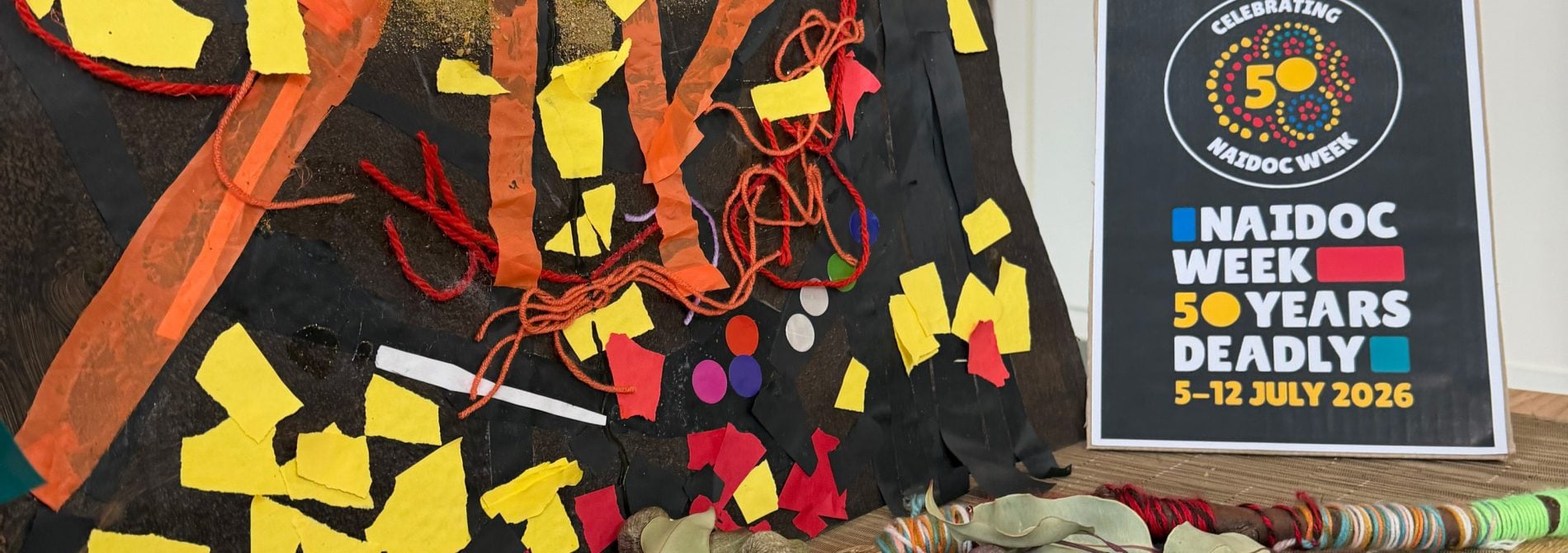
NAIDOC Week 2026 ran in the first full week of July, and our services marked the occasion in ways shaped by their own children, families and connection to Country. Here’s a look at how some of our services acknowledged NAIDOC Week this year.
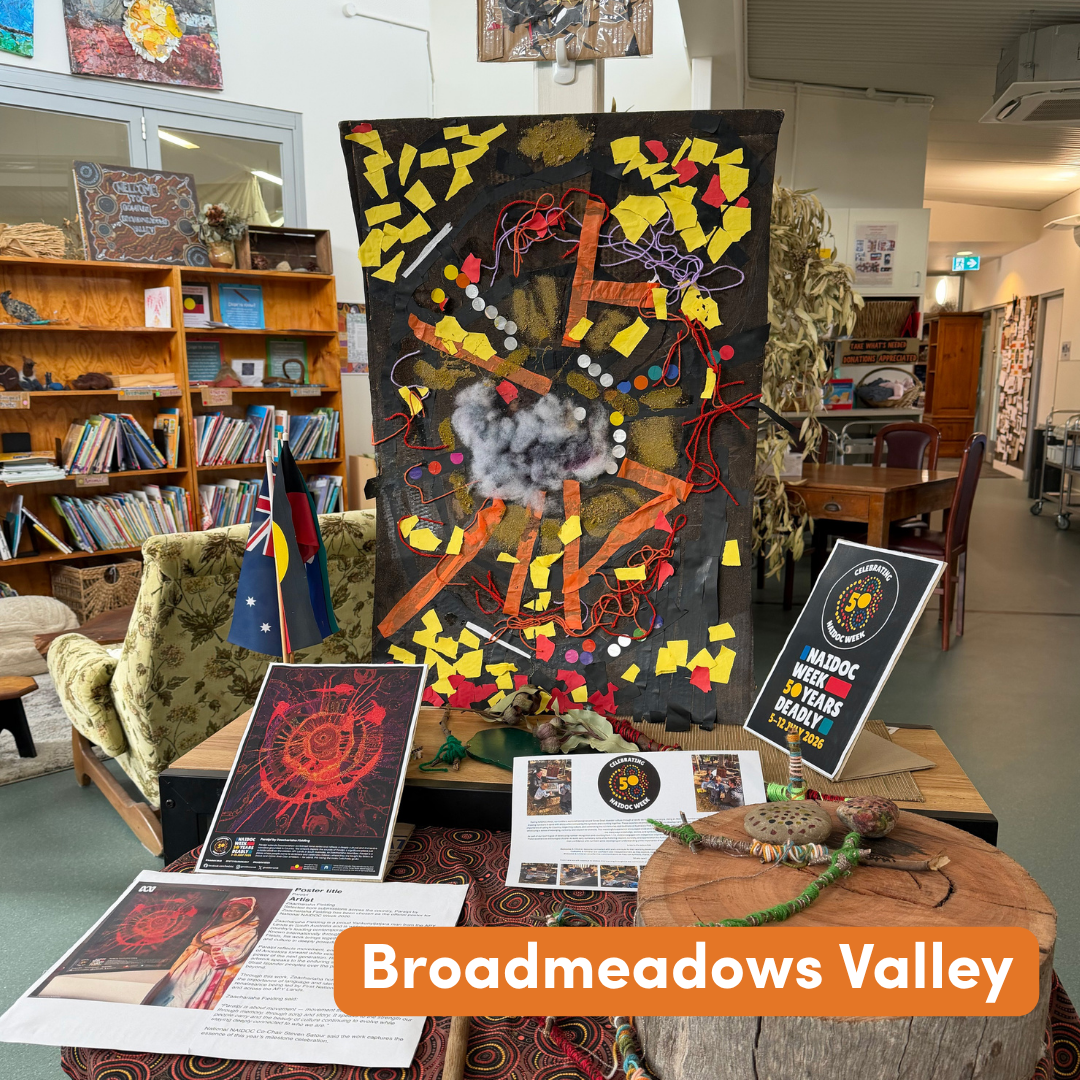
Broadmeadows Valley
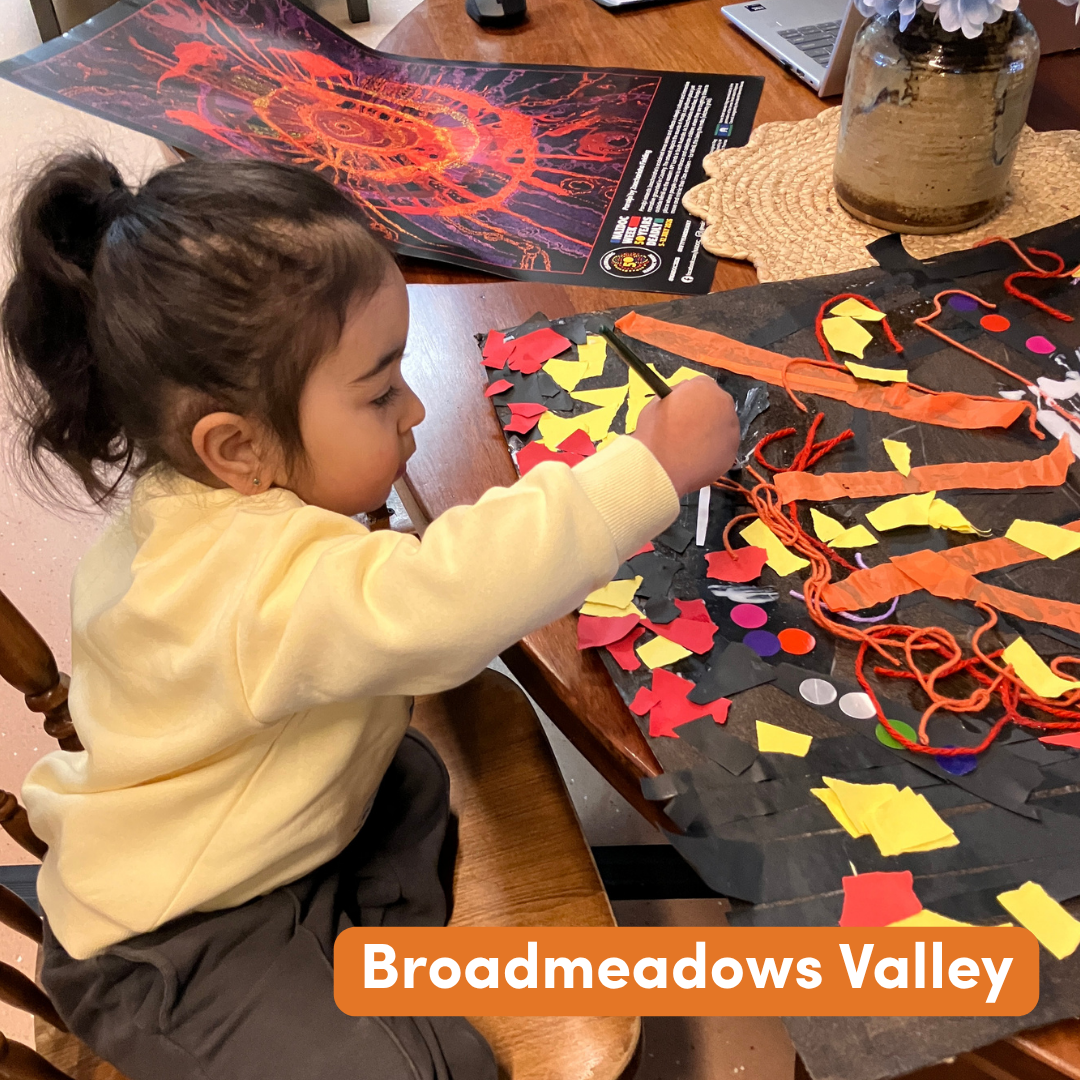
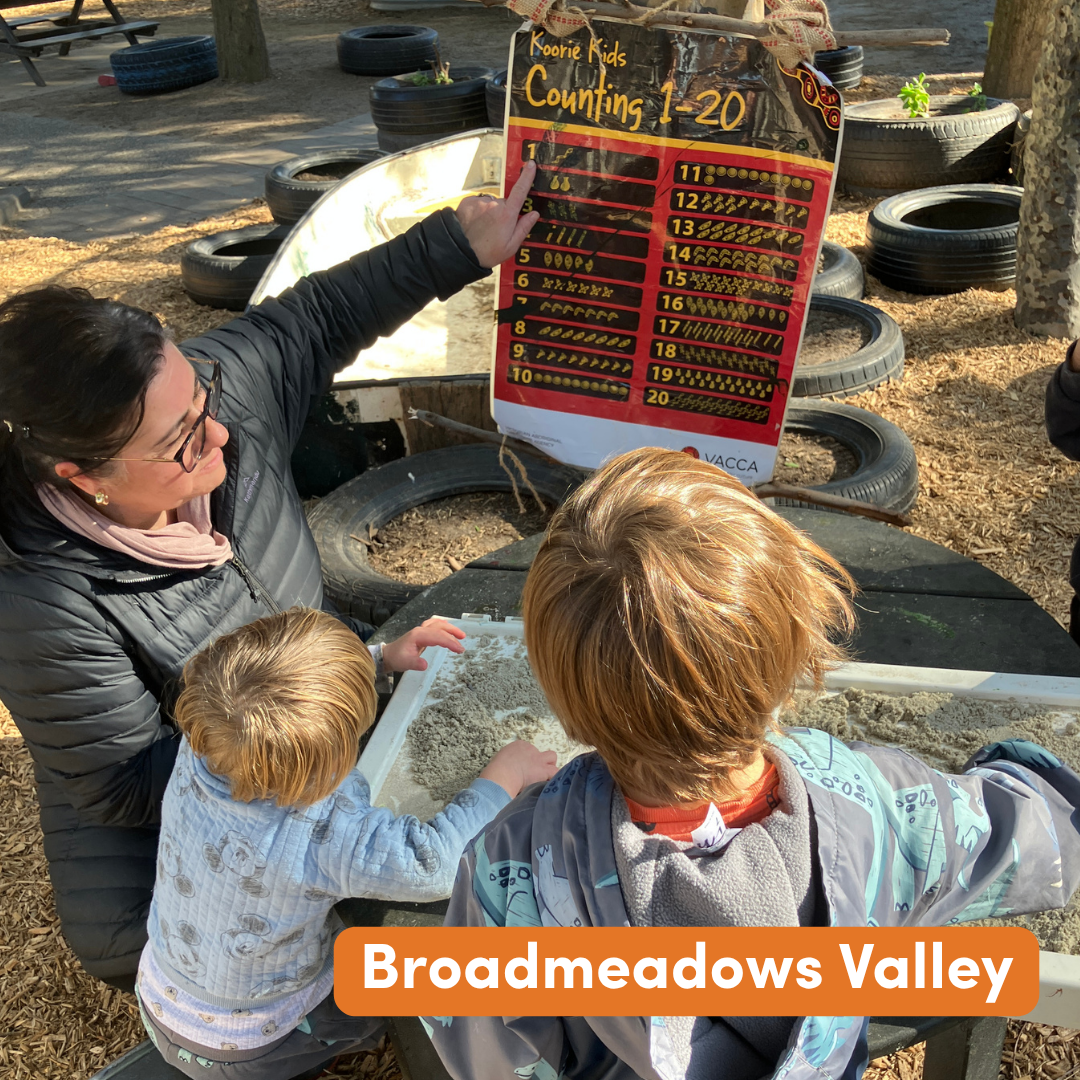
At Broadmeadows Valley, children built early numeracy skills during NAIDOC Week by counting and matching quantities with Indigenous-inspired resources and natural materials, as part of the room’s ongoing focus on counting from 1 to 10.
Carlton North
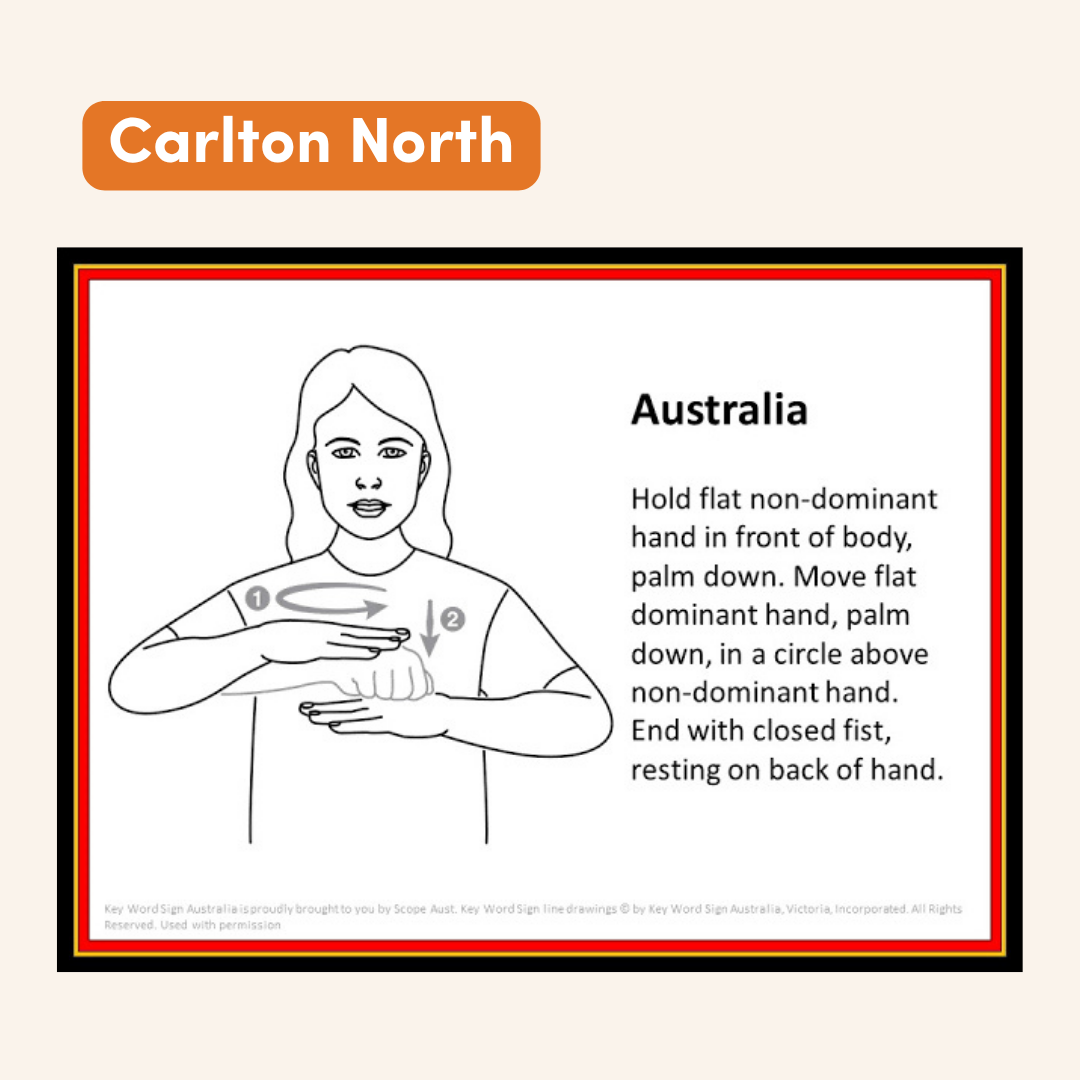
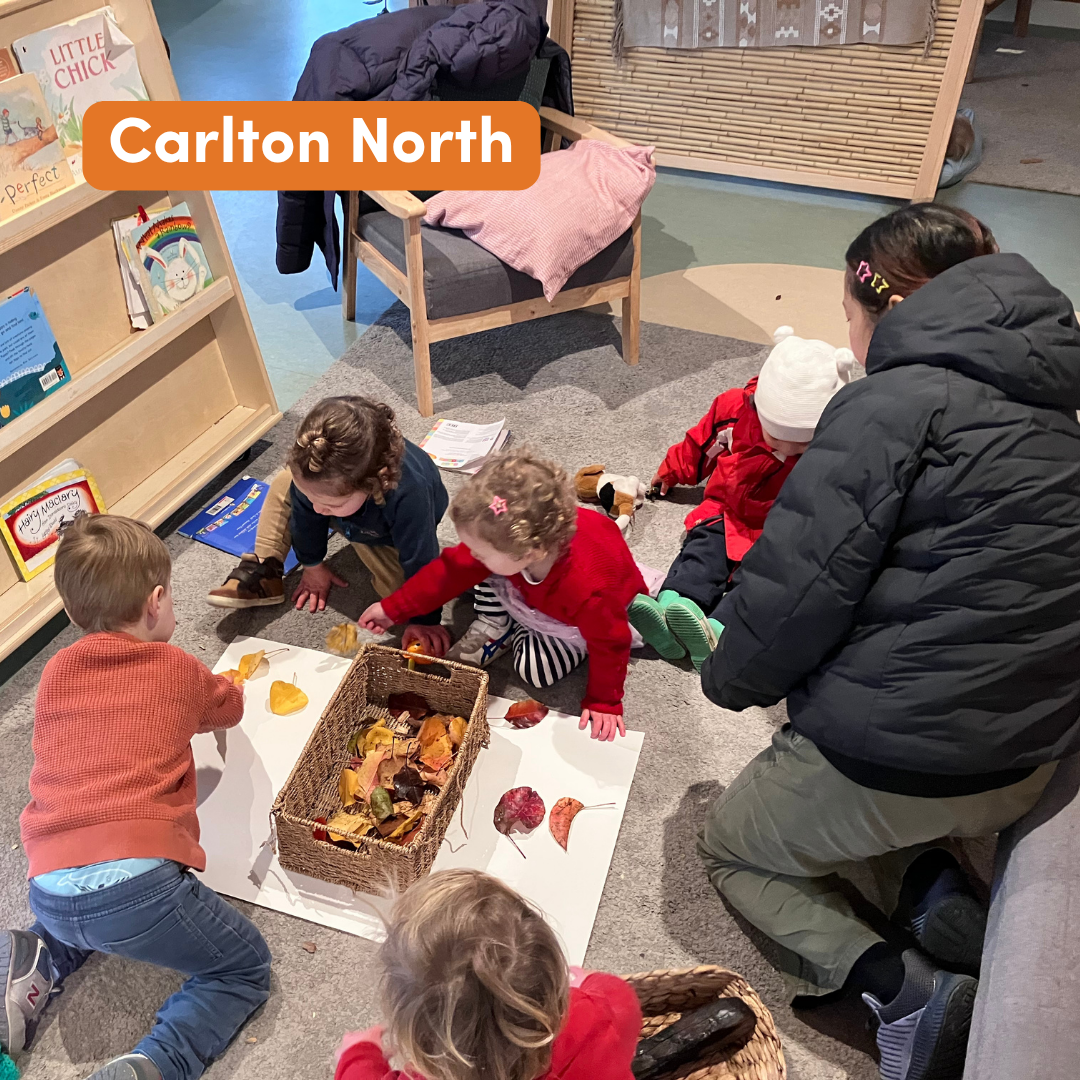
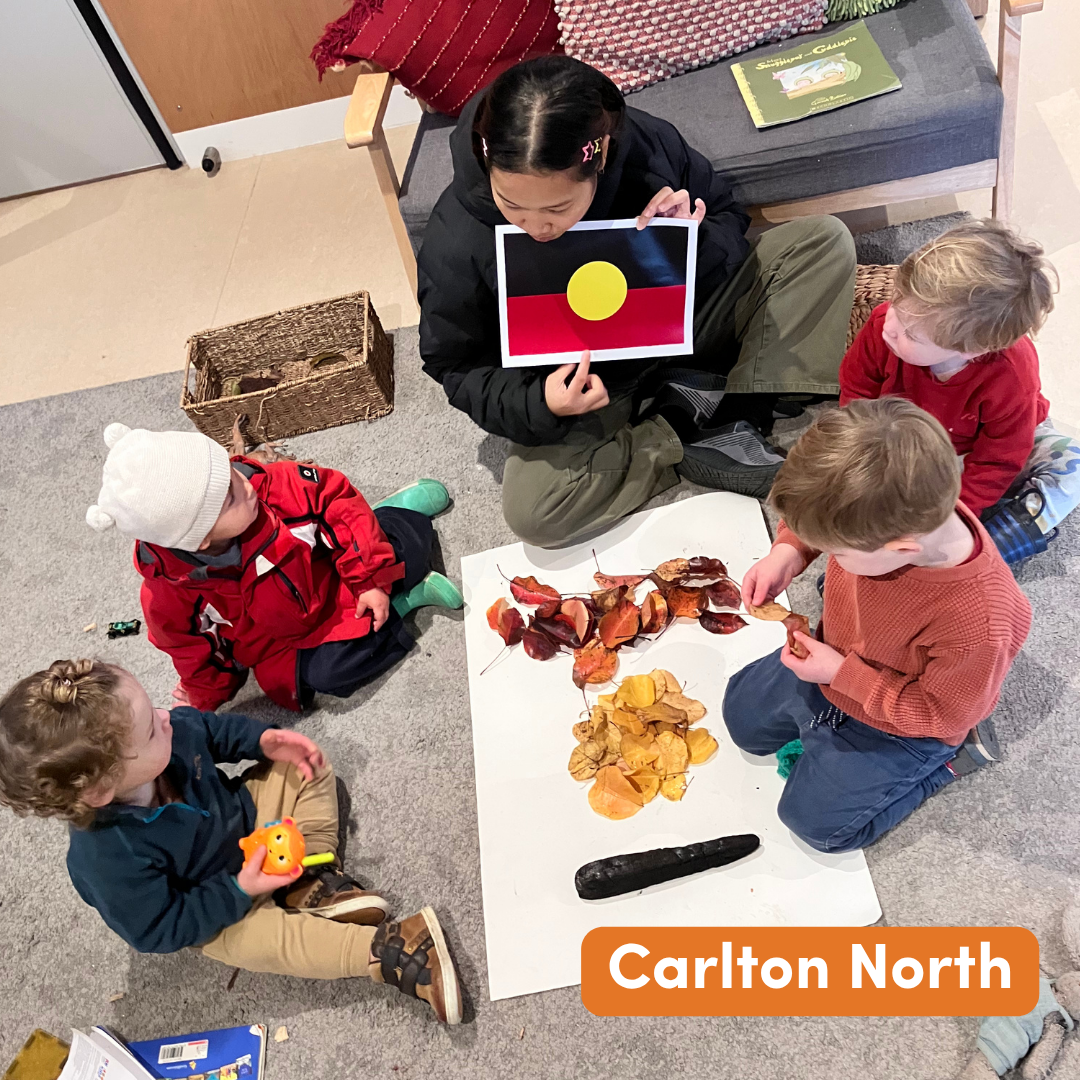
At Carlton North, the firepit stayed lit throughout the week for gathering, acknowledging Country and cooking damper. In our Rainbow Lorikeet room, children aged birth to three watched an ABC video on making damper in the outback, then collected rosemary and lemon myrtle from the garden to smell and talk about. Our Cockatoo and Galah rooms explored the Aboriginal flag in different ways: Cockatoo children foraged outside for yellow, black and red objects, learning the Woiwurrung words biik for land and ngawan for sun, while Galah painted their own flags before moving on to the Torres Strait Islander flag through the book Our Flag, Our Story. Elsewhere in the service, children from the Magpie room watched the Djirri Djirri dancers and our Kookaburra children wove yarn and sticks after reading Weaving Country, while children across the service began learning Taba Naba, a Torres Strait Islander song about fishing at the edge of the reef. Educators also introduced a decolonised Auslan sign for Australia and Country, developed to reflect the Indigenous experience of land rather than the traditional signs.
You can learn more about the correct pronunciation of the Woiwurrung Language via the 50 words website.
Clare Court
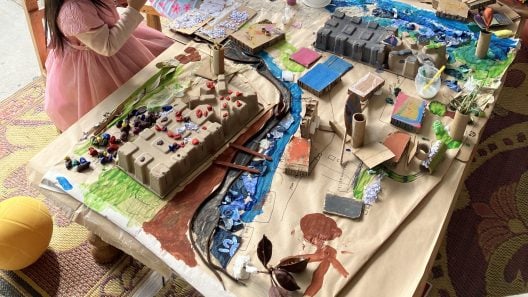
At Clare Court, children and educators have been connecting with Pobblebonk, a ten-panel panoramic artwork created by photographers, scientists and researchers at the Living Museum of the West. The work captures the range of creatures living in the Maribyrnong River, and at Clare Court, the artwork has become a starting point for children to look closely at the local biodiversity around them, including our own waterway, Stony Creek. Despite the surrounding city’s growth, many species, both introduced and native, continue to live in the estuary, and much of the food chains and food webs supporting them remain intact. Combining photography and microscopy, the artwork lets children see both the small and the large parts of the natural world living in their own neighbourhood.
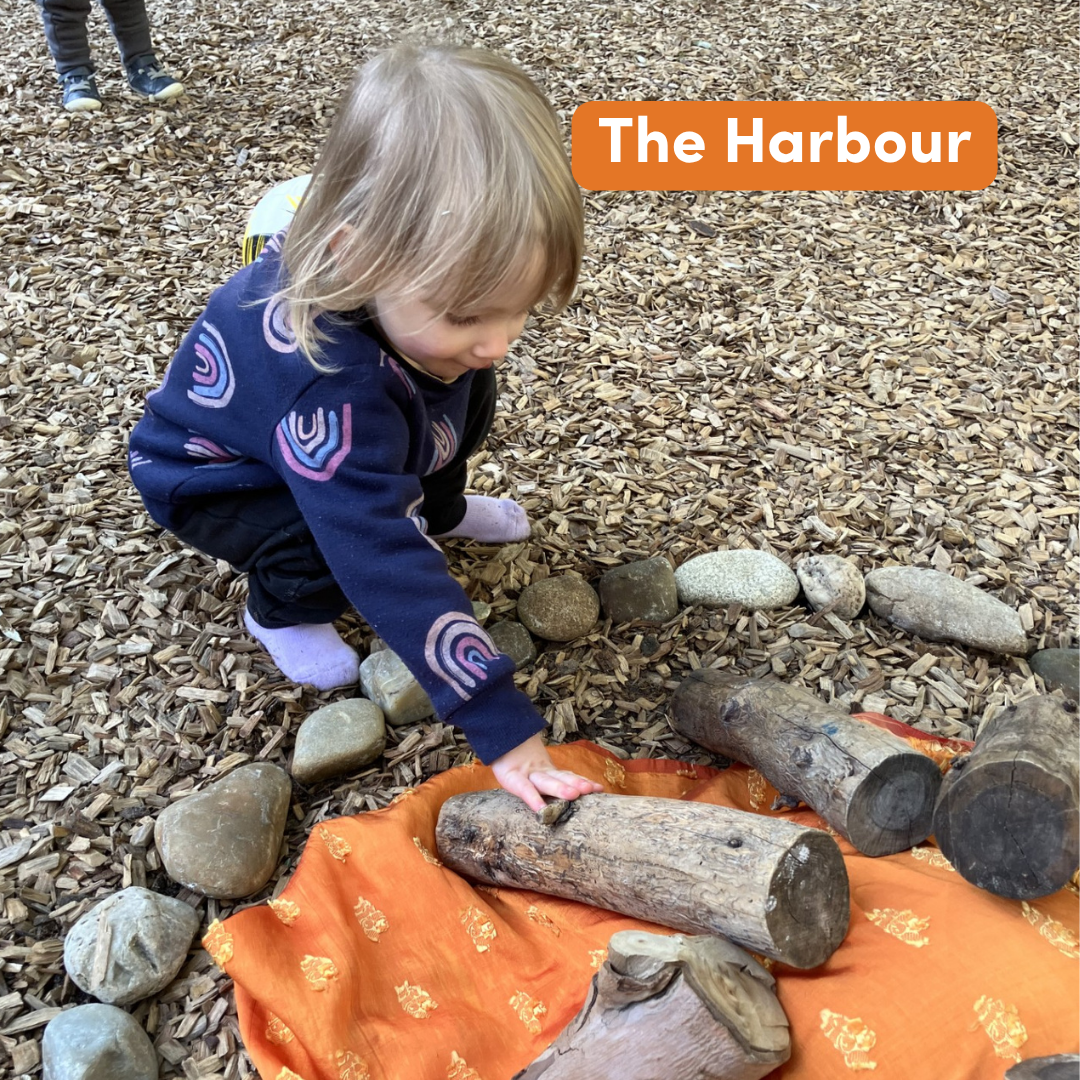
The Harbour
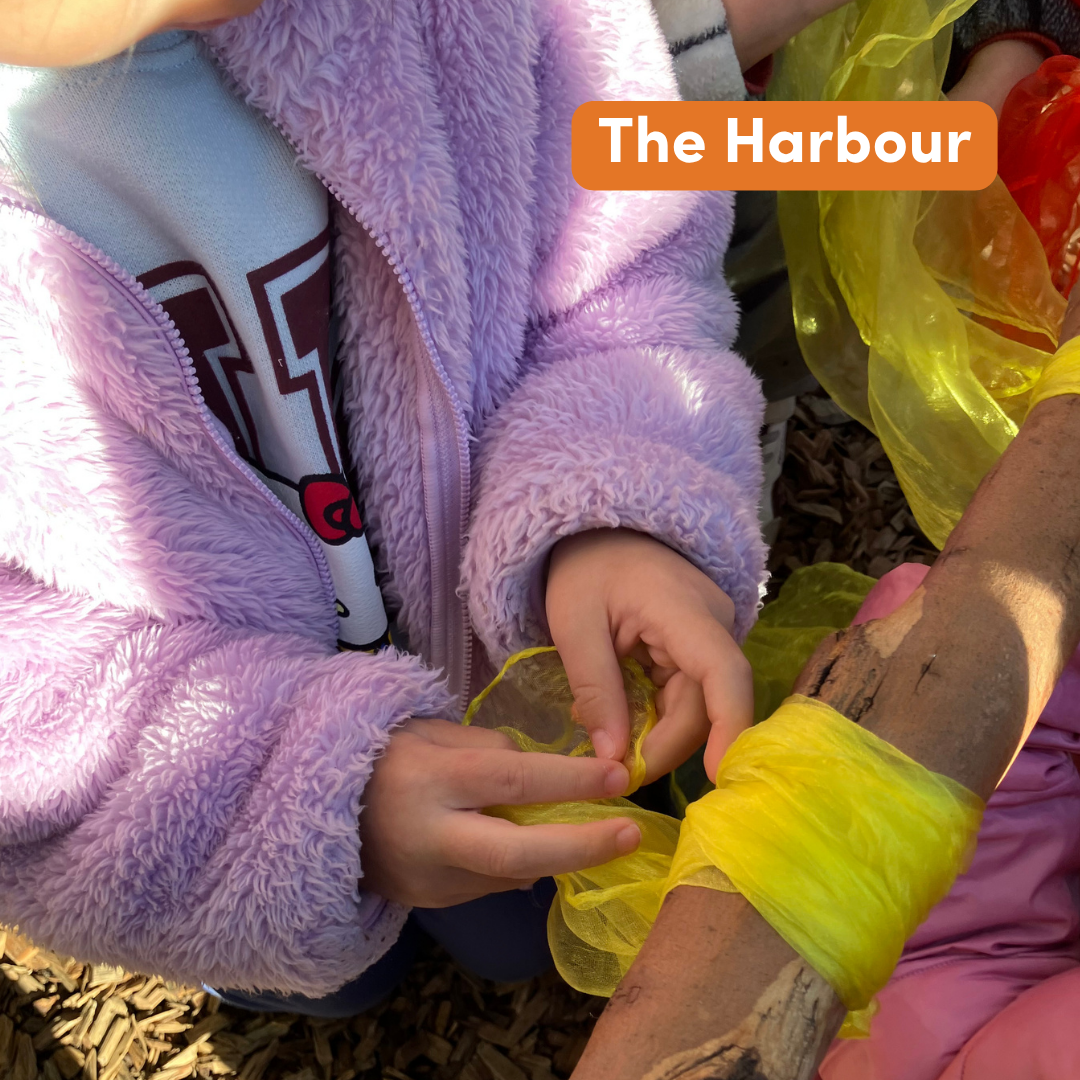
At The Harbour, educators and children gathered in the garden for a yarning time with a campfire built from collected wood in the tanbark area, with red cloth laid on top to represent fire. Children brought out musical instruments from their rooms and shared them around for singing and dancing to Aboriginal and Torres Strait Islander songs, including Inanay and Taba Naba. Every room across the service also contributed to a whole-service yarn project, weaving red, yellow and black wool through a hula hoop, with children in the kinder room helping weave a second hoop in the Torres Strait Islander flag colours.
NAIDOC Week might only run for one week, but many of our services carry the same conversations about culture, Country and language into the rest of the year. Across Gowrie, educators keep sharing songs and reflections with each other, learning from how each service finds its own way into Country throughout the year.
Read more: Celebrating NAIDOC Week 2025
Read more: Celebrating Respect and Connection: How Gowrie at The Harbour Honoured Reconciliation Week
Read more: Why getting children involved in reconciliation is important